
If you’re looking to decorate your home, then you might be thinking about the look and feel of the result, as well as the amount of money you intend to spend. But there’s another consideration that’s increasingly weighing on the minds of decorating homeowners: the environment.
Renovation and decoration can be done without imposing a huge cost on the natural world. By choosing the right materials and techniques, and favouring the right eco-friendly brands, we can make our décor sustainable as well as beautiful. There are also lots of quick fixes that can instantly update your decor.
Sustainable materials
So, which materials qualify as sustainable? The answer can vary. When it comes to timber furniture, however, it’s usually best to shop for the more common species. Exotic timber is not undesirable per se, but it is more likely to be from an at-risk species. Plus, there’s the carbon cost associated with shipping the timber itself.
Bamboo, which grows very quickly, and reclaimed wood make the best choices. Recycled metal works well, too. If you’re bringing fabric into the home, then natural ones, like cotton, linen and hemp, tend to be effective.
Lighting
Modern light bulbs tend to be vastly more efficient than older halogen ones. Look for the efficiency rating on the LED bulb you’re looking for, as well as the lumen rating. There’s no point in using super-bright bulbs where they are not necessary. Solar panels can produce enough energy to power these bulbs, whether they are used outdoors or indoors. New homes usually come with this type of lighting already installed, but older properties may benefit from an upgrade.
Paints and finishes
Conventional paint includes Volatile Organic Compounds (VOCs, also known as solvents), which will create pollution, especially in the presence of sunlight. By choosing paints that are low in VOCs, or which forgo them entirely, you’ll be reducing the amount of ozone and smog in your neighbourhood – as well as your lungs.
Upcycling
If you’re shopping for furniture, then perhaps the best way to proceed is to look in second-hand or charity shops. You might uncover bargains that, with a little bit of care and attention, can be adapted to fill your requirements. If you’ve already got the skills, and a collection of the right tools, then you’ll be able to create items that work well with the space, and that don’t harm the environment.
Conclusion
Reducing your environmental impact often means looking for ways to make good use of old materials. Try to look for high-quality items that are going to last for decades. This way, you’ll send fewer items to landfill, and you’ll reduce your energy costs, too. In the long run, you’ll reduce your impact on the world around you and make your home more sustainable.
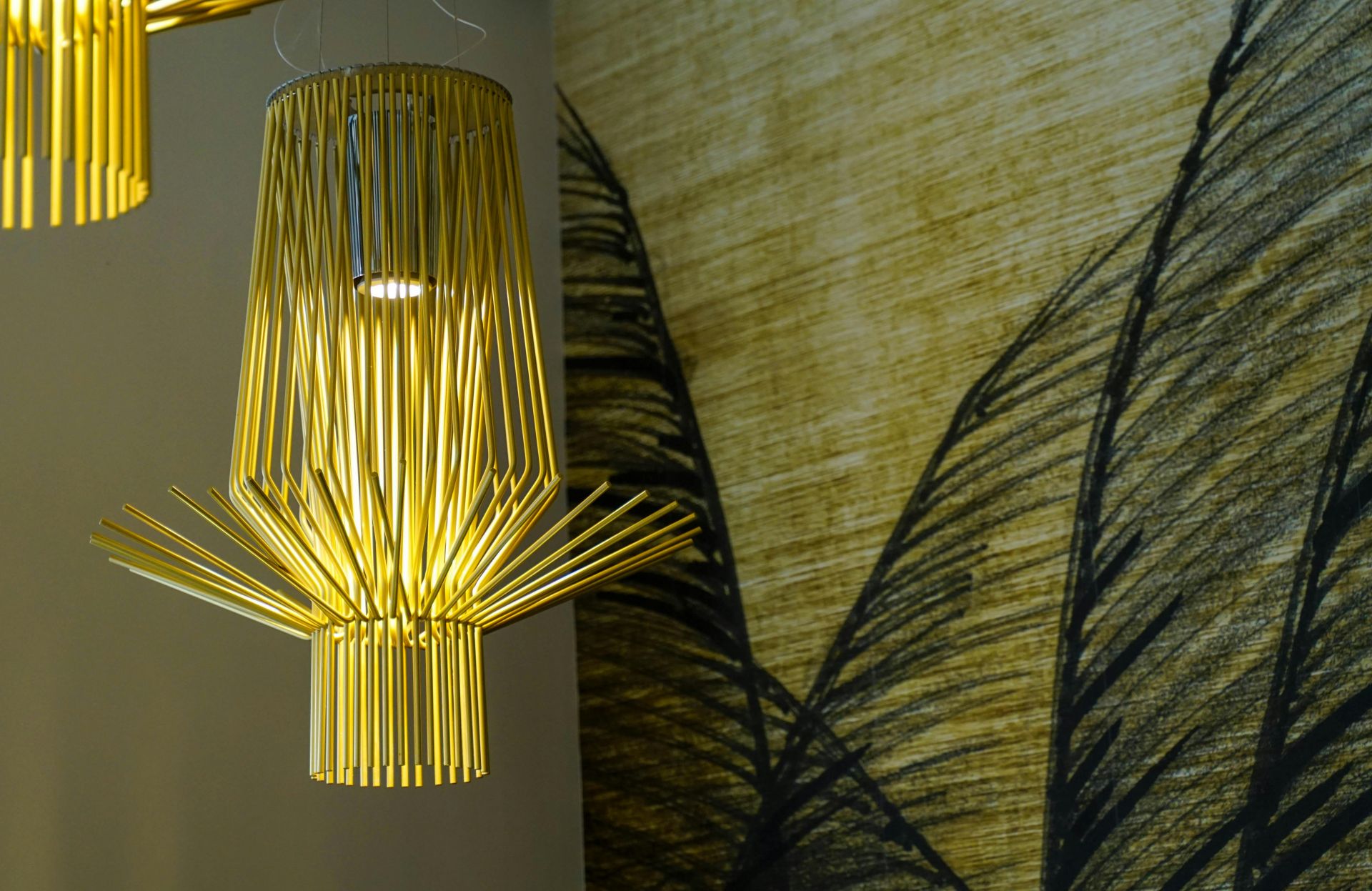
Main Image – Photo by Vladimir Srajber: https://www.pexels.com/photo/bamboo-strip-chandeliers-11998759/