
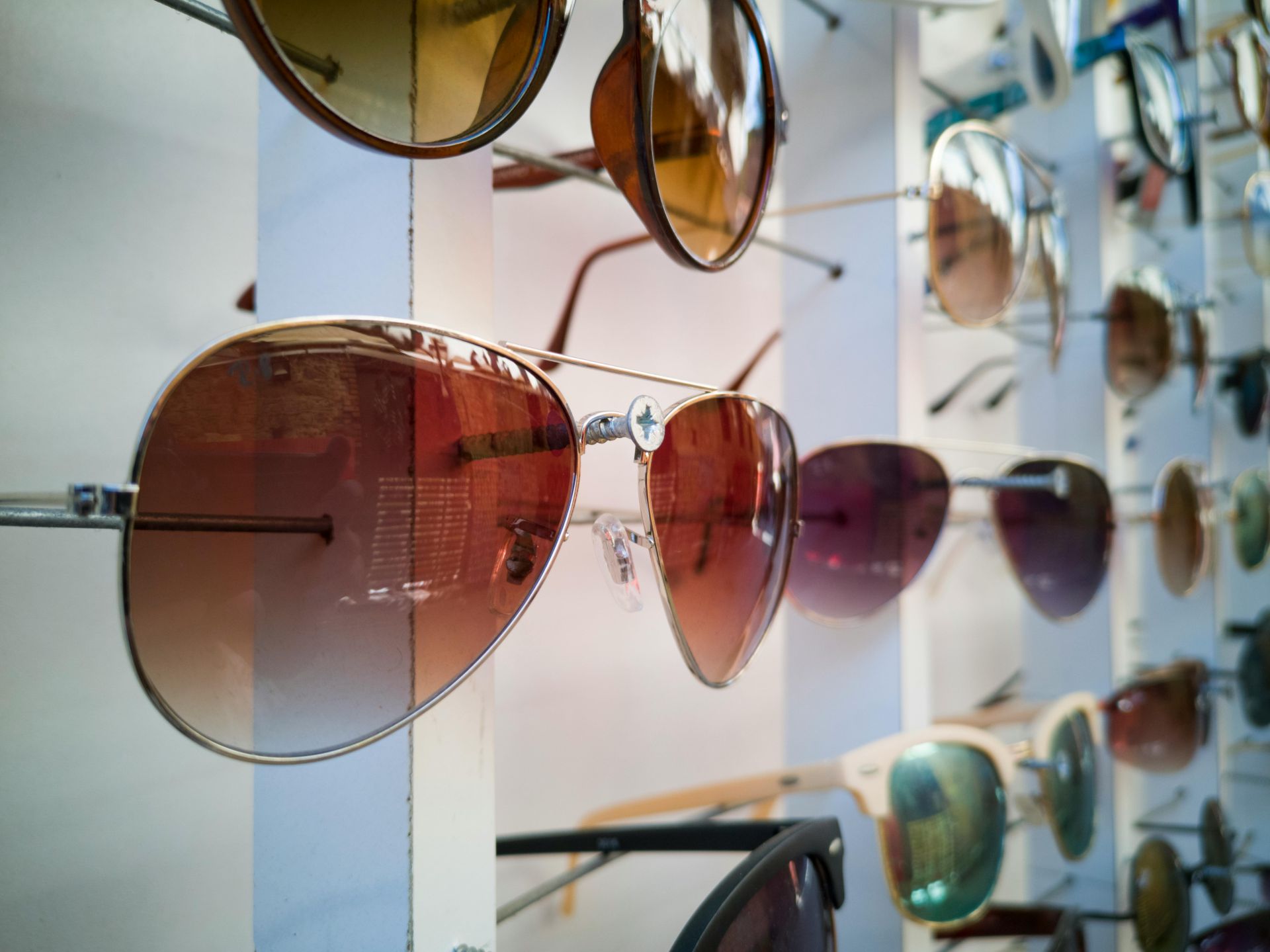
A lot of people choose sunglasses based on looks alone. They like the shape, the colour, or the general feel of the frame, and that is enough to make the purchase. What often gets overlooked is how much sunglasses affect the outfit once everything is actually worn together.
Because they sit at the centre of the face, they influence the whole look almost immediately. The right pair can make an outfit feel sharper, more balanced, or more polished. The wrong pair can make it feel slightly off, even when the clothes themselves work well.
That is why pairing matters. Sunglasses are not just practical. They are one of the most visible style choices in an outfit, and when these accessories are chosen with a bit of intention, everything tends to look more put together.
What Should You Think About Before Pairing Sunglasses With an Outfit?
Before thinking about specific combinations, it’s important to look at the outfit as a whole. Strong pairings depend on a few key elements: the overall style of what you are wearing, the colour palette, the occasion, and the proportions of your accessories. For instance, a tailored blazer with neutral tones and a silk scarf can be complemented by designer sunglasses, adding structure and a refined edge without overwhelming the look. The key is to ensure that your sunglasses feel like a natural extension of the outfit, tying in with the clothing and accessories rather than appearing as an afterthought.
Once those basics are working together, the rest usually becomes much easier.
How Should the Style of the Frame Match the Style of the Outfit?
The first thing to think about is the overall energy of the outfit.
If what you are wearing feels relaxed and simple, the sunglasses can bring in a little more character without looking out of place. If the outfit already has a lot happening, whether through print, texture, layers, or statement pieces, a cleaner frame usually works better. The aim is not to match everything too perfectly. It is to make sure the sunglasses feel like they belong with the rest of the look.
A minimal outfit, for example, can often carry a bolder frame because the sunglasses become part of what gives the outfit shape. On the other hand, when an outfit already feels busy, a more understated frame usually keeps everything from becoming visually crowded.
Polished outfits also tend to look better with polished frames. Tailored clothing, crisp fabrics, and clean lines often pair well with sunglasses that feel refined rather than casual. In the same way, easy everyday outfits usually suit frames that feel effortless rather than too sharp or dramatic.
The best pair usually supports the outfit instead of competing with it.
How Much Do Colour and Tone Really Matter With Sunglasses?
More than people think.
Frame colour can either bring an outfit together or interrupt it. Neutral frames are usually the easiest to wear because they sit comfortably with more colours and ask less from the rest of the outfit. Black, brown, tortoiseshell, tan, gold, silver, and soft transparent tones tend to work well because they blend easily into a wide range of wardrobes.
That does not mean stronger colours cannot work. They can, but they usually look better when the outfit around them is simpler. If the clothes already include strong colour, heavy pattern, or multiple standout elements, a quieter frame often makes more sense. If the outfit is more restrained, a more noticeable frame can add personality without making the look feel overworked.
Tone also plays a role. Warm-toned outfits often sit well with brown, amber, gold, or tortoiseshell frames, while cooler tones usually work more naturally with black, silver, grey, or clear styles. It is not a strict rule, but it does help explain why some combinations feel instantly cohesive while others feel slightly disconnected.
Why Should You Match the Occasion, Not Just the Clothes?
Because a pair that looks right in one setting can feel out of place in another.
Sunglasses do not work separately from context. A frame that looks effortless on a casual day out may feel too relaxed for a smarter setting. Likewise, a sleek or dramatic pair that works beautifully with a dressier look may feel too severe for a laid-back daytime outfit.
That is why the occasion matters almost as much as the clothing itself. Casual daytime outfits usually leave room for easy classics and relaxed shapes. Smarter settings often call for cleaner, more polished frames. Evening looks usually benefit from something refined, while holidays tend to give you more flexibility, as long as the sunglasses still feel balanced with what you are wearing.
If you want one pair that can move across different situations, classic shapes in neutral colours tend to do the most work. They are usually the least likely to feel wrong.
What Sunglasses Work Best With Casual and Everyday Outfits?
Casual outfits usually look best with sunglasses that feel easy and natural. Styles such as wayfarers, aviators, simple square frames, soft round shapes, and slim rectangular sunglasses often work well because they do not feel too formal and do not demand too much attention.
These kinds of frames tend to sit comfortably with jeans, T-shirts, knitwear, light layers, relaxed shirts, leggings, trainers, sandals, and other everyday staples. A white T-shirt and denim, for instance, can look sharper with black square frames. A knit polo and chinos may pair well with tortoiseshell wayfarers. An oversized shirt with simple flats often works nicely with aviators, while a tank top and loose trousers can suit a softer oval or round frame.
The key with casual dressing is to keep the sunglasses in step with the outfit. If the clothes feel easy, the sunglasses should not feel overly formal or overstyled. They should finish the look, not overpower it.
What Sunglasses Look Right With Smart and Workwear Outfits?
Smart outfits usually benefit from frames that look polished without becoming stiff.
When you are wearing tailoring, structured layers, a crisp shirt, refined basics, or clean monochrome pieces, the sunglasses should support that sharpness. Frames that are too sporty, too loud, or too novelty-driven can throw off the balance very quickly.
That is why sleeker shapes often work best here. Clean square frames, slim metal styles, polished acetate sunglasses, subtle cat-eye shapes, and understated rectangular designs usually fit smart outfits better than anything too playful or exaggerated. Darker neutrals also tend to work especially well in these settings. Black, deep tortoiseshell, espresso brown, navy, and muted metallics often look more appropriate because they feel deliberate without drawing attention away from the clothes.
The goal is not to make the sunglasses disappear. It is to make them feel aligned with the rest of the outfit. The best workwear sunglasses sharpen the look rather than distracting from it.
How Should You Pair Sunglasses With Evening or Dressier Outfits?
This is usually where restraint helps most.
When an outfit already feels elevated, the sunglasses do not always need to become the main statement. In many cases, they look better when they add shape and finish without pulling focus from everything else.
Dressier outfits often suit elegant cat-eye frames, sleek angular shapes, refined oversized sunglasses, or sculptural metal styles. These frames tend to work because they add presence while still feeling controlled.
A good way to think about it is this: the more detailed the outfit is, the cleaner the sunglasses should usually be. If the outfit is minimal, the frame has more room to bring character. A slip dress and sandals can work beautifully with a sharp cat-eye. Monochrome tailoring may suit oversized black frames. A simple co-ord can feel more finished with a slim gold metal style, while a minimal dress may look stronger with polished acetate sunglasses.
With evening dressing, less is often more. The sunglasses should feel intentional, not loud for the sake of it.
What Sunglasses Work Best With Casual Summer and Holiday Outfits?
Sunglasses become even more important in summer because there is often less clothing doing the visual work. Lighter fabrics, more open silhouettes, and simpler outfits naturally shift more attention onto accessories.
That is why the right pair matters so much on holiday or during warmer months. Frames with a bit of presence often work well here because they help give shape to outfits that are otherwise light and uncomplicated. Aviators, oversized styles, easy cat-eye shapes, relaxed round sunglasses, and classic square acetates all tend to work well because they feel stylish without seeming too heavy.
These frames usually pair naturally with linen shirts, summer dresses, shorts, loose tops, swim cover-ups, relaxed co-ords, and sandals. If you are trying to choose one pair for several summer settings, from daytime wandering to lunch to dinner, a versatile frame with some polish usually does the most work. Something too sporty may feel limiting, while something too dramatic may only suit one kind of look.
A good summer pair should still feel intentional, but it should also feel easy to wear.
What Are the Common Mistakes You Should Avoid?
A few mistakes come up again and again when people try to pair sunglasses with outfits.
One of the biggest is choosing a frame that clashes with the overall mood of the clothes. The outfit may feel soft and relaxed, but the sunglasses feel harsh or severe. Or the clothes may look sharp and polished while the frame feels too sporty or casual. Even if each piece works on its own, the overall combination can still feel disconnected.
Ignoring proportion is another common problem. A frame can be attractive on its own and still feel wrong if it overwhelms the face or dominates the outfit. Sunglasses need to work not only with your features, but also with the visual weight of the look as a whole.
Another mistake is relying on the same pair for every situation. A dependable everyday frame is useful, but not every outfit calls for the same energy. One pair can do a lot, but it cannot always do everything equally well.
People also often treat sunglasses like a last-minute extra. When they are thrown on without any thought, they tend to look separate from the outfit instead of connected to it. Even a little intention can make a visible difference.
And of course, style is not the only thing that matters. The frame still has to suit the person wearing it. If the sunglasses work with the clothes but not with your face shape or proportions, the result may still feel slightly off.
So, How Do You Pair Sunglasses With Any Outfit More Confidently?
Keep it simple. You do not need to turn it into a complicated styling exercise.
Start by thinking about the overall style of the outfit, then look at colour, tone, occasion, and proportion. Ask yourself whether the sunglasses feel like a natural extension of the look or whether they seem disconnected from everything else. That one question often tells you a lot.
The good thing about pairing sunglasses well is that it is not really about rigid fashion rules. It is more about attention and balance. Once you stop treating sunglasses as something to add at the very end, they begin to work much harder for the outfit as a whole.
And that is usually the difference between a pair that simply looks good on its own and a pair that actually makes the whole outfit look better.
Main Image – Photo by Engin Akyurt: https://www.pexels.com/photo/assorted-color-sunglasses-2767694/ | 2nd Image – Photo by Francesco Paggiaro: https://www.pexels.com/photo/assorted-sunglasses-704241/