
The housing market isn’t exactly easy to join or navigate. In the UK, much of this comes down to a lack of construction. Throw in inflation and the interest rates of the last few years, and it’s easy to see why some are a bit disheartened by UK housing.
Still, people are adaptable. We love to start new movements and often find that bucking the norm leads to a more enjoyable outcome. These might just be the proponents of the big tiny house movement. It may also be fuelled by the incredible creativity of some tiny homeowners. Saving a lot of money is always appealing. So, what should those curious about tiny homes consider?
Trending Tiny
For a long time, the emphasis has been on having a bigger home. Many of those who achieve this find themselves with some problems. Each size bigger a house gets, its cost to run and keep grows by an order of magnitude. On top of this, they involve a lot of cleaning and having rooms go unused can feel like a waste. As costs increase, it makes sense that people would want to cash in on what they have and reap the benefits of tiny homes.
The first thing that strikes people is that tiny homes are comparatively cheap. This is especially true when comparing them to city prices. On average, they cost £50,000. For current homeowners, downsizing to a lavish £100,000 tiny home would still pocket cash. Next, they’re a much more eco-friendly alternative to city living. Whether it’s materials or energy expenditure, tiny homes are way better for the plenty and your carbon footprint.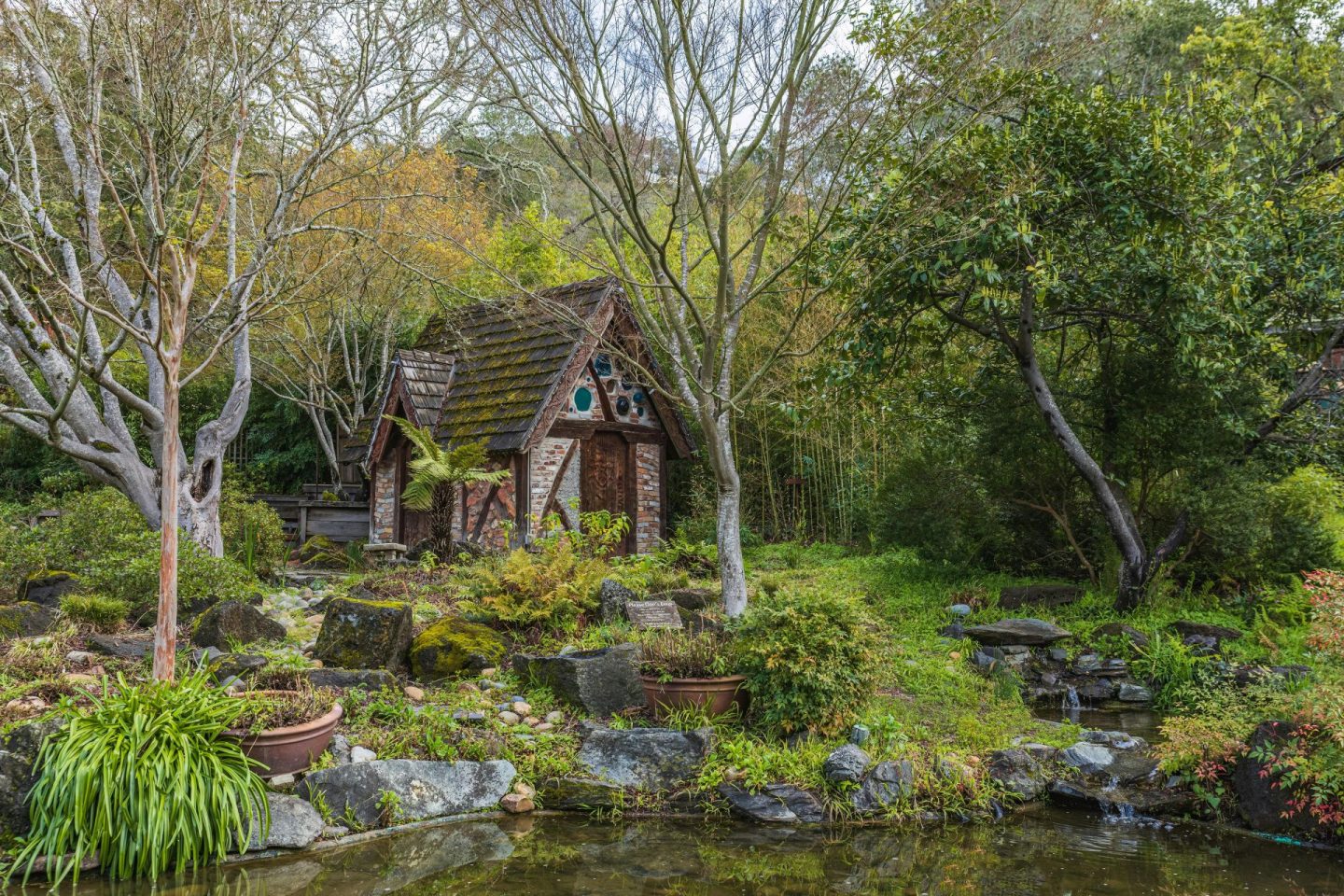
Another plus is the location. There are aspects to consider for getting there, but tiny homes can be set up in many non-traditional places around the UK. Rather than being packed into a city street, you can leave your organised living space to the open landscapes of Scotland, for example. It makes your living space feel much bigger. Plus, seeing green rather than grey each day offers countless benefits.
Things to Consider When Going Tiny
A big factor to consider is time. A lot of tiny homes are custom jobs. You need to go to a specialist, plan out the build, and then wait anywhere between four and 12 months. On top of this, there are permits and land use questions to answer for where your tiny home will go. If you’ve already got a house, this process can be made easier with a guaranteed sale when it suits you.
This is the offer that the cash buyer company puts forward. You can apply for a free offer on your home. This will get back to you in minutes. If agreeable, you can have immediate access to funds. If you need the cash urgently, this can help. With no hidden fees, it’s the most straightforward way to downsize to a tiny home.
This approach can also facilitate any unknown wait times between finding and buying land for your tiny home. Moving from a regular-sized home to a tiny home is a big decision to make. Still, there are many benefits to doing so, and you can have full control over the process and your eventual home. For many, tiny homes just make sense.
Main Image – Photo by Andreea Ch: https://www.pexels.com/photo/brown-and-black-house-miniature-3961750/ | 2nd Image – Photo by Robert So from Pexels: https://www.pexels.com/photo/cottage-in-summer-15888622/