
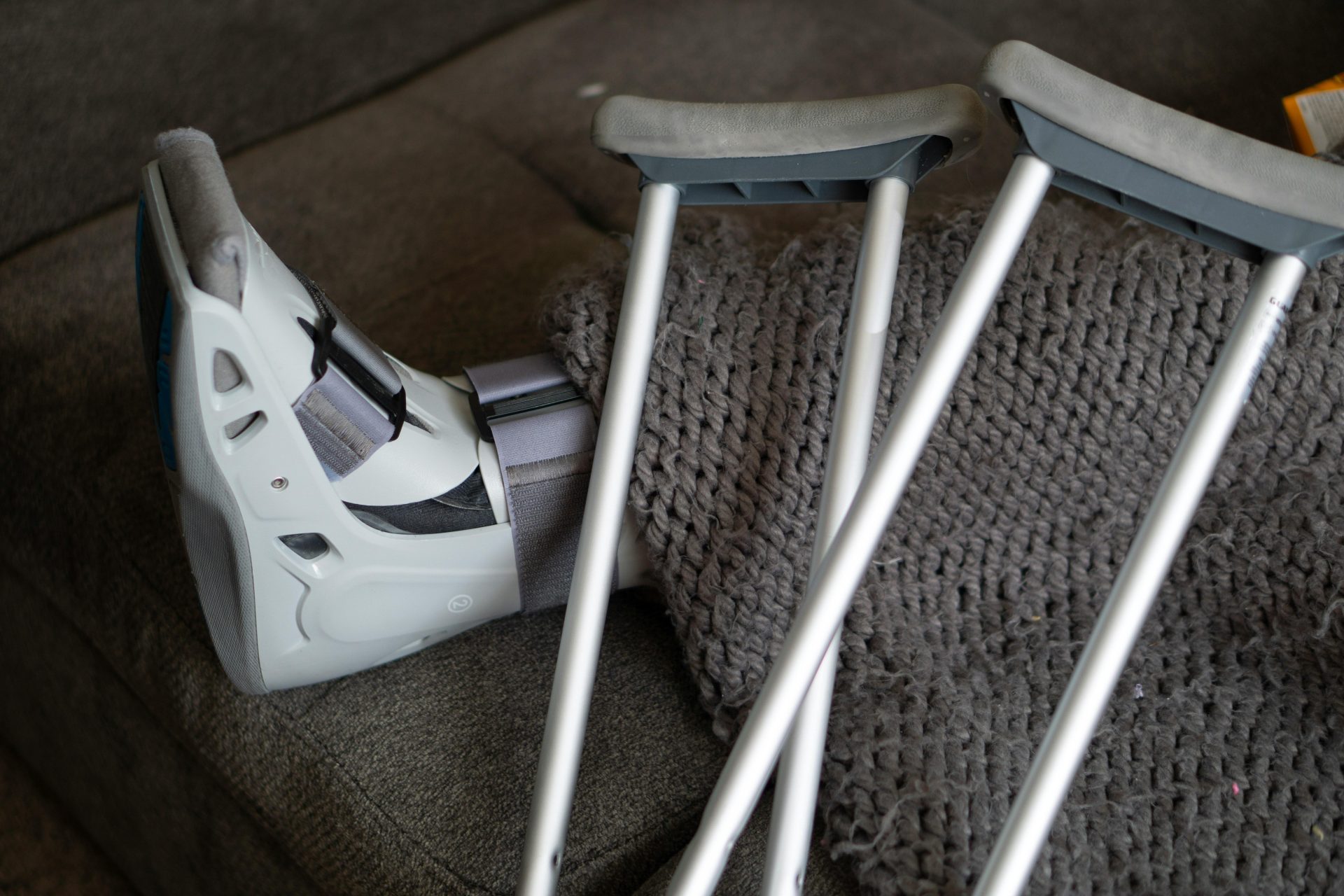
Holidays are often planned months in advance and come with high expectations. They are meant to provide rest, enjoyment, or time with loved ones. When an holiday accident happens shortly before or during a trip, those plans can unravel quickly, creating stress and uncertainty at a time when people expect the opposite.
Understanding how accidents affect travel plans, and what options are usually available, can help people navigate a situation that is often both disappointing and costly.
How holiday accidents interfere with travel
An accident can disrupt a holiday in several ways, depending on timing and severity. Injuries may make travel unsafe, impractical, or medically inadvisable. Even minor injuries can limit mobility, stamina, or comfort, particularly on long journeys.
Common disruptions include:
These changes often occur suddenly, leaving little time to adjust plans.
Financial losses people do not anticipate
When plans are disrupted by an holiday accident, financial losses can extend beyond the cost of flights and accommodation. Many expenses are non-refundable, and additional costs may arise unexpectedly.
Examples include:
For families or group bookings, these losses can multiply quickly.
Travel insurance limitations
Many people assume travel insurance will automatically cover all accident-related losses. In reality, policies vary widely, and exclusions, excesses, or strict conditions may limit coverage.
Issues commonly arise around:
Understanding these limitations often only happens after a claim is submitted, which can add frustration to an already stressful situation.
The emotional impact of disrupted plans
The emotional effects of a disrupted holiday are often overlooked. Holidays are frequently considered a reward for long periods of work or stress, and losing that time away can feel particularly disappointing.
People may experience:
These reactions are common and reflect the personal importance many people place on planned time away.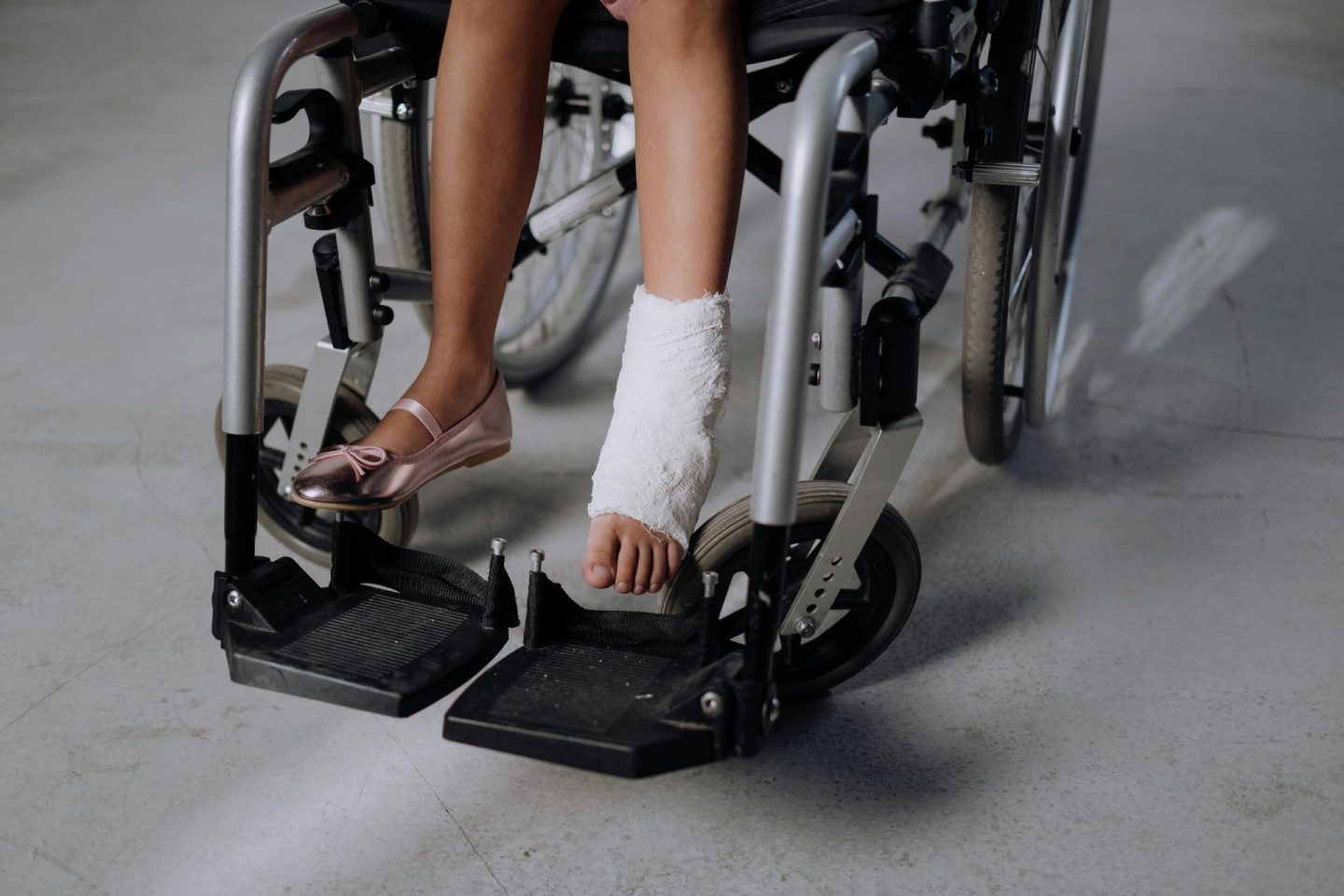
Accidents abroad and added complexity
When an accident happens abroad, practical challenges can increase. Travellers who are injured in a bicycle accident may also struggle to navigate local insurance policies and transportation regulations. Language barriers, unfamiliar healthcare systems, and different legal frameworks can make an already difficult situation more complex.
Additional considerations may include:
These factors can extend the impact of an accident well beyond the original incident.
When compensation is explored
In some situations, people consider injury compensation where an accident was caused by another party’s negligence, whether at home or abroad. Compensation is intended to reflect financial losses and the broader impact of the accident, including disruption to planned travel.
Each case depends on the specific circumstances, evidence available, and applicable rules. Outcomes are never guaranteed, and it is important to approach the process with accurate information and realistic expectations.
Regaining perspective after a disrupted holiday
A holiday accident that disrupts a trip can feel particularly unfair, especially when plans were long-awaited. Rebooking or adjusting travel arrangements is sometimes possible, but recovering from an injury often takes precedence.
Taking time to understand the full impact of the disruption, both practical and emotional, can help people make clearer decisions about next steps and focus on recovery rather than frustration.
Main Image – Photo by Oliver King: https://www.pexels.com/photo/human-with-broken-leg-with-orthopedic-crutches-4067795/ | 2nd Image – Photo by cottonbro studio: https://www.pexels.com/photo/a-girl-with-orthopedic-cast-sitting-on-a-wheelchair-6191130/