
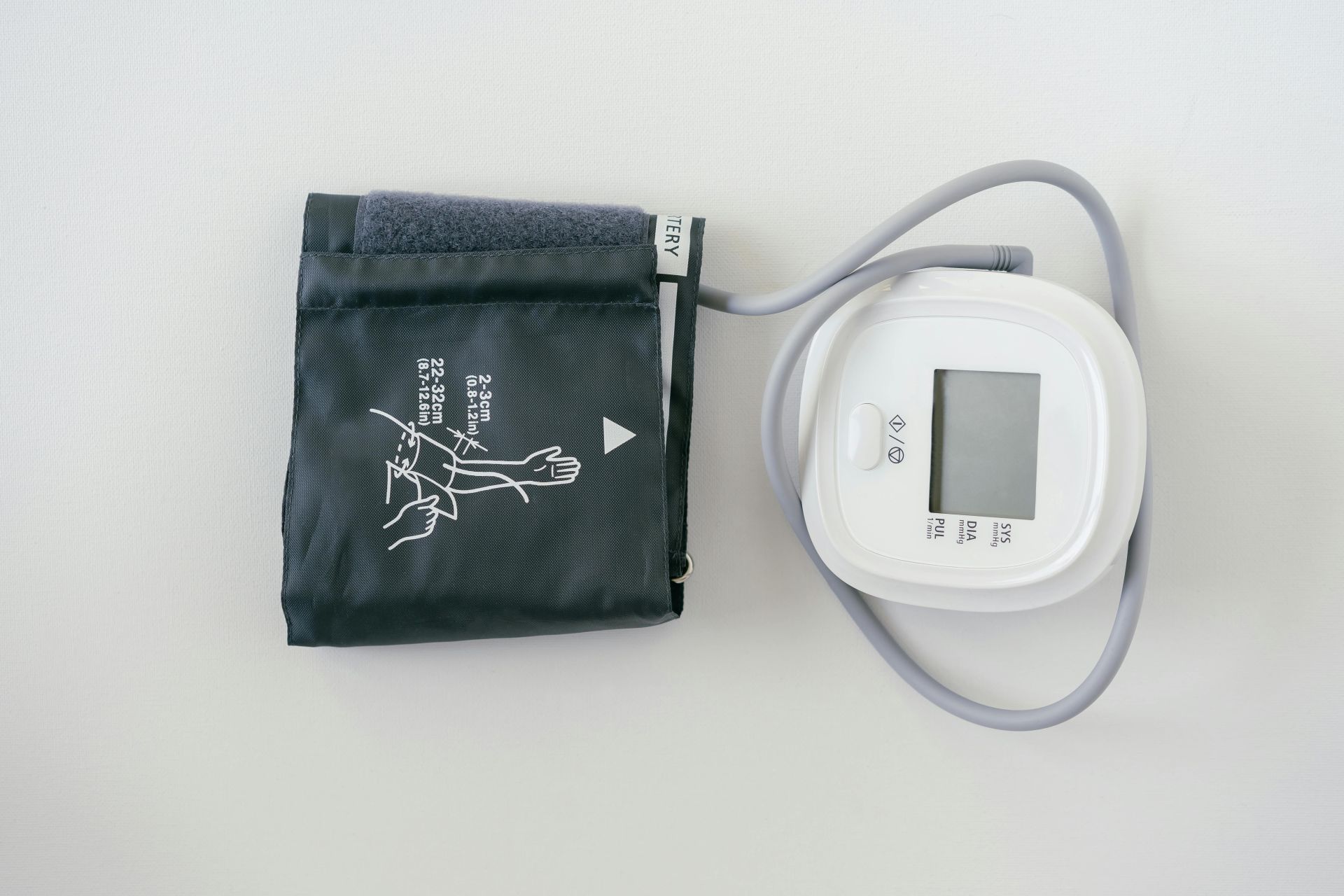
Low blood pressure, or hypotension, affects many women but often receives less attention than high blood pressure. However, it can still cause uncomfortable symptoms that affect daily life. Symptoms of low blood pressure in women can include dizziness, fainting spells, fatigue, blurred vision, and nausea.
Understanding these symptoms helps women recognize if they need medical care. Some women may experience no symptoms at all, while others find that low blood pressure interferes with normal activities. The severity of symptoms can vary from person to person.
This article covers the main symptoms of low blood pressure for women, that they should watch for. Plus,what these signs mean for their health. Recognising the symptoms early allows for proper treatment and prevents potential complications.
Dizziness or lightheadedness
Dizziness stands as one of the most common symptoms of low blood pressure. This sensation often occurs because the brain does not receive enough oxygen-rich blood.
Women may feel unsteady or experience a spinning sensation. The feeling can happen suddenly or develop over several minutes. It often appears after standing up quickly or changing positions.
Lightheadedness differs slightly from dizziness. It creates a faint or woozy feeling, as if the person might pass out. Both symptoms indicate that blood flow to the brain has decreased.
These signs may come with other problems like blurred vision or weakness. Some women notice the symptoms worsen in hot weather or after exercise. Dehydration can make these feelings more intense.
Anyone who experiences frequent dizzy spells should talk to a doctor about possible symptoms of low blood pressure in women and appropriate treatment options. These symptoms can interfere with daily activities and may signal a need for treatment.
Fainting spells
Fainting is one of the more serious symptoms of low blood pressure for women. The medical term for fainting is syncope. It occurs because not enough blood reaches the brain.
The brain needs a steady supply of oxygen to work properly. However, low blood pressure can reduce this blood flow. As a result, a person may lose consciousness for a brief time.
Some women feel warning signs before they faint. These signs include sudden dizziness, weakness, or nausea. Others may experience blurred vision or feel their heart race right before they pass out.
Fainting spells require medical attention. They can lead to falls and injuries. A doctor needs to find out why the blood pressure dropped and determine the best treatment. Multiple fainting episodes should never be ignored, as they may point to an underlying health problem.
Fatigue and weakness – Symptoms of low blood pressure for women
Low blood pressure can make women feel tired and weak throughout the day. The body needs adequate blood flow to deliver oxygen and nutrients to muscles and organs. However, reduced blood pressure means less oxygen reaches these areas, which leads to constant exhaustion.
Women with this condition often struggle to complete daily tasks. They may feel drained even after a full night of sleep. Simple activities like climbing stairs or carrying groceries can feel harder than usual.
The weakness affects both physical and mental energy. Some women find it difficult to focus or concentrate on work. Their muscles may feel heavy or unresponsive. This type of fatigue differs from normal tiredness because rest does not always help.
Low blood pressure prevents the brain and muscles from getting enough oxygen-rich blood. As a result, the body cannot function at its normal level. Women who experience persistent tiredness should talk to a doctor to check their blood pressure levels.
Blurred or Dim Vision
Blurred vision ranks as one of the most common symptoms of low blood pressure for women. This happens because the eyes and brain do not receive enough oxygen-rich blood to function properly.
The vision changes often occur suddenly. A woman might notice her sight becomes fuzzy or starts to fade. These episodes typically last only a short time and resolve once blood flow returns to normal levels.
Low blood pressure affects the optic nerves, which need steady blood flow to work correctly. Without adequate pressure to push blood through the vessels, the tissues that control vision cannot perform their job. This leads to temporary vision problems that can feel alarming but usually pass quickly.
Women may experience these vision symptoms after they stand up too fast or during periods of dehydration. The condition can also appear during times of stress or fatigue. Anyone who has repeated episodes of blurred vision should see a doctor to identify the cause and restore healthy blood pressure levels.
Nausea or upset stomach
Low blood pressure can make a woman feel sick to her stomach or cause nausea. This happens because not enough blood reaches the digestive system and other organs. The body needs steady blood flow to work properly, and a sudden drop in pressure can trigger these uncomfortable feelings.
A symptom of low blood pressure for women that they may notice is mild queasiness, while others experience stronger nausea that makes it hard to eat or drink. In more severe cases, the nausea can lead to vomiting. These symptoms often appear alongside dizziness or a lightheaded sensation.
The upset stomach may come on suddenly, especially if blood pressure drops quickly. This can occur after a woman stands up too fast, spends time in hot weather, or doesn’t drink enough water. However, some women with chronic low blood pressure may feel mild nausea throughout the day.
If a woman notices frequent nausea paired with other symptoms like confusion or rapid heartbeat, she should talk to her doctor.
Conclusion
Low blood pressure in women can cause a range of symptoms that affect daily life. These symptoms include dizziness, fatigue, blurred vision, and fainting spells. Women should pay attention to these warning signs and seek medical advice if they occur frequently.
Understanding the symptoms of low blood pressure for women helps them know what to watch for, focus on their health, and address potential health concerns early. A healthcare provider can determine if treatment is necessary based on the severity of symptoms and their impact on quality of life.
Main Image – Photo by Mikhail Nilov: https://www.pexels.com/photo/a-sphygmomanometer-up-close-8670204/